

 ไทย
ไทย
If you are passionate about coffee culture, you have likely heard the name “Panama Geisha.“ This variety has earned significant attention in the Specialty Coffee world for its distinctive sensory profile and the remarkable prices achieved by selected lots at international auctions.
But just how different can one cup of coffee really be? What makes this variety so highly regarded by producers, roasters, baristas, and coffee lovers worldwide, to the point where many refer to it as “the best coffee in the world“?
In this article, we will look beyond price and trace the origins of the variety, explore the environments in which it is cultivated, and examine the factors that shape its characteristic aromas and flavors.
By the end, you will have a clearer understanding of where this celebrated variety comes from, how it can differ from more familiar coffees, and what details to look for when you eventually have the opportunity to taste it yourself.
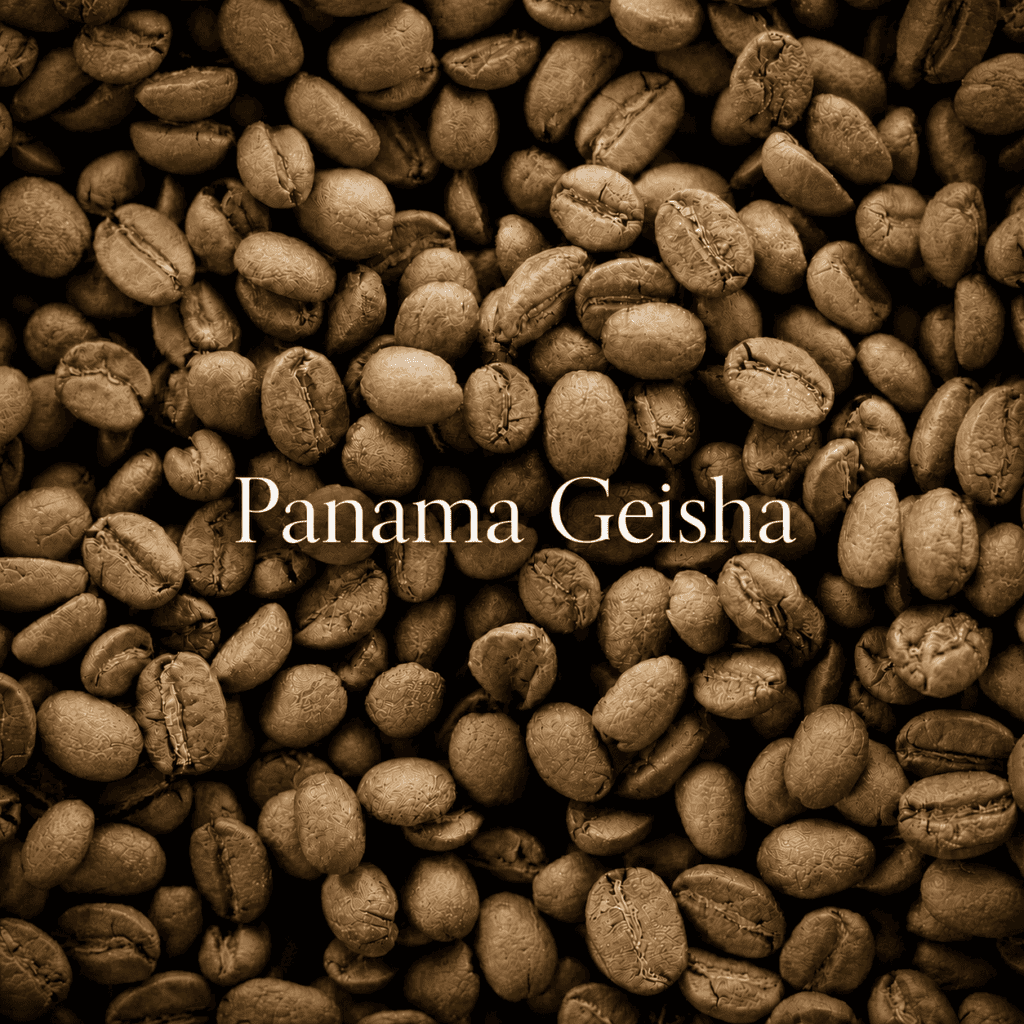
The Journey of Panama Geisha: From Ethiopia to Panama
The Geisha, or Gesha, coffee variety did not originate in Panama. Its genetic roots trace back to the coffee forests of Ethiopia. The lineage that would later become internationally recognized through cultivation in Panama was collected from Ethiopian forests in the 1930s.
From there, the seeds traveled to agricultural research stations in East Africa, including Lyamungu in Tanzania, before reaching the CATIE research center in Central America in 1953 under the accession code T2722. The variety was later distributed to farms in Panama during the 1960s.
In those early years, T2722 was distributed partly because it was observed to have tolerance to coffee leaf rust at the time. However, this historical context should not be interpreted to mean that Panama Geisha is considered highly resistant to the disease today. Modern information from World Coffee Research indicates that disease resistance is not one of the variety’s defining strengths.
The turning point came when Geisha was planted in the high-altitude regions of Panama, particularly in Boquete and areas around Volcán Barú. These growing environments provide conditions that can support exceptional cup quality, including elevation, cooler temperatures, rainfall patterns, and suitable soil conditions.
At higher elevations, cooler temperatures can slow the ripening process of coffee cherries. This longer maturation period can contribute to the development of sugars, aromas, and flavor compounds. Of course, cup quality is never determined by a single factor. It is shaped by the interaction of genetics, growing conditions, harvesting, processing, roasting, and brewing.
Agriculturally, this variety has relatively low yield potential compared with some commercial cultivars. However, when cultivated carefully in suitable environments, it can demonstrate very high cup-quality potential. This combination of limited production and distinctive quality helps explain why certain lots are both scarce and highly valued.
Its international breakthrough came decades later. In 2004, a Geisha lot from Hacienda La Esmeralda gained major attention at the Best of Panama competition, helping introduce the variety’s distinctive cup profile to a much wider international audience. From that point onward, Panamanian Geisha became increasingly prominent among specialty coffee producers, roasters, competitors, and buyers around the world.
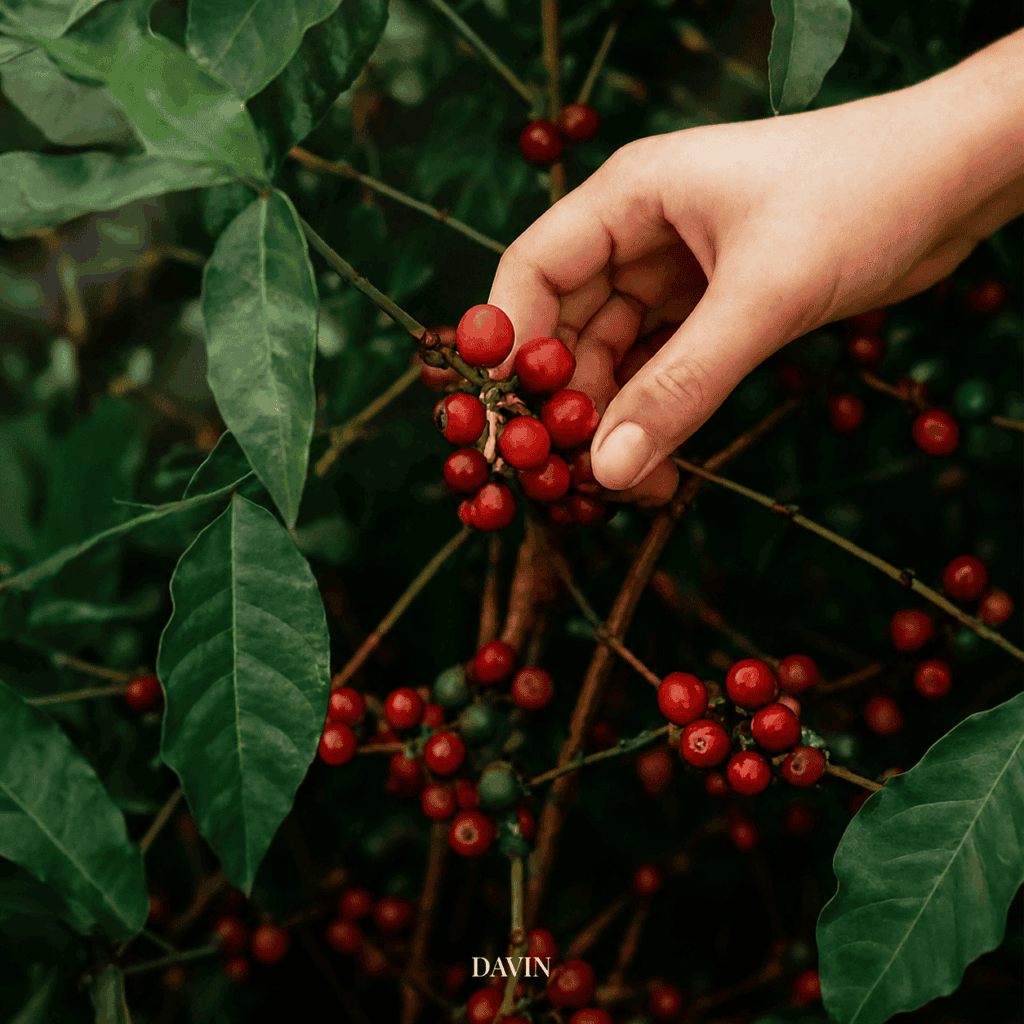
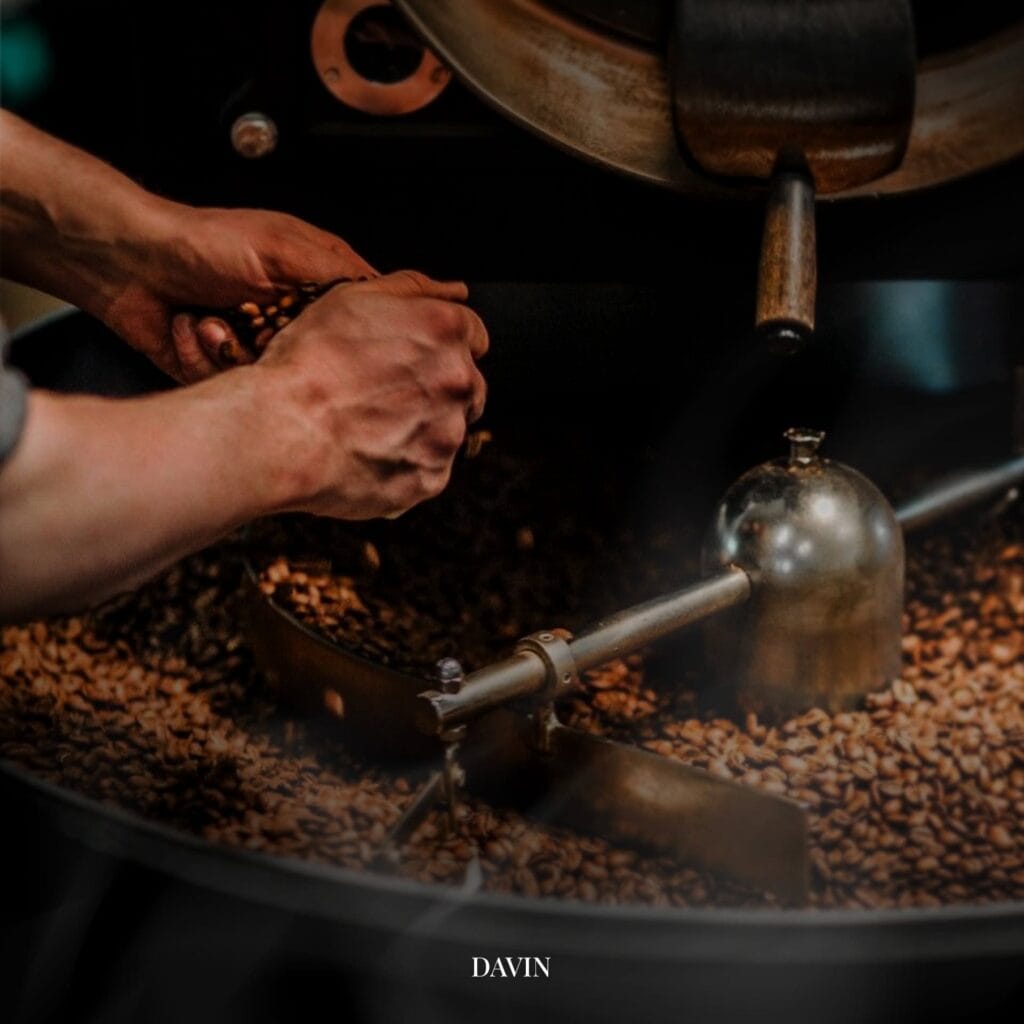

3 Reasons Why Panama Geisha is Often Called “The Best Coffee in the World”
We may drink coffee every day, but a single cup can reflect its variety, origin, processing, roasting, and brewing in surprisingly complex ways. If you would like to explore these fundamentals further, you can read our Specialty Coffee Guide at DAVIN CAFE.
In the Specialty Coffee industry, quality is not determined by marketing alone. It is evaluated through sensory characteristics, sourcing transparency, production quality, and other attributes that contribute to the value of a particular coffee. This variety is one of the clearest examples of how those factors can come together in a distinctive cup.
1. Distinctive Floral Aromas and Flavor Structure
One of the characteristics most closely associated with high-quality Geisha is its floral aromatic profile, often described with references to jasmine or white flowers, alongside bright fruit character and a light, tea-like structure.
Compared with darker-roasted coffees that may emphasize heavier body and bitterness, Geisha is often roasted in a way that preserves its more delicate characteristics. This can result in a clean, light-bodied cup with layered sweet and tart notes.
However, tasting notes are not determined by genetics alone. Farm location, processing method, roast level, and brewing technique all influence the final cup. Therefore, no two lots will necessarily present the same flavor profile.
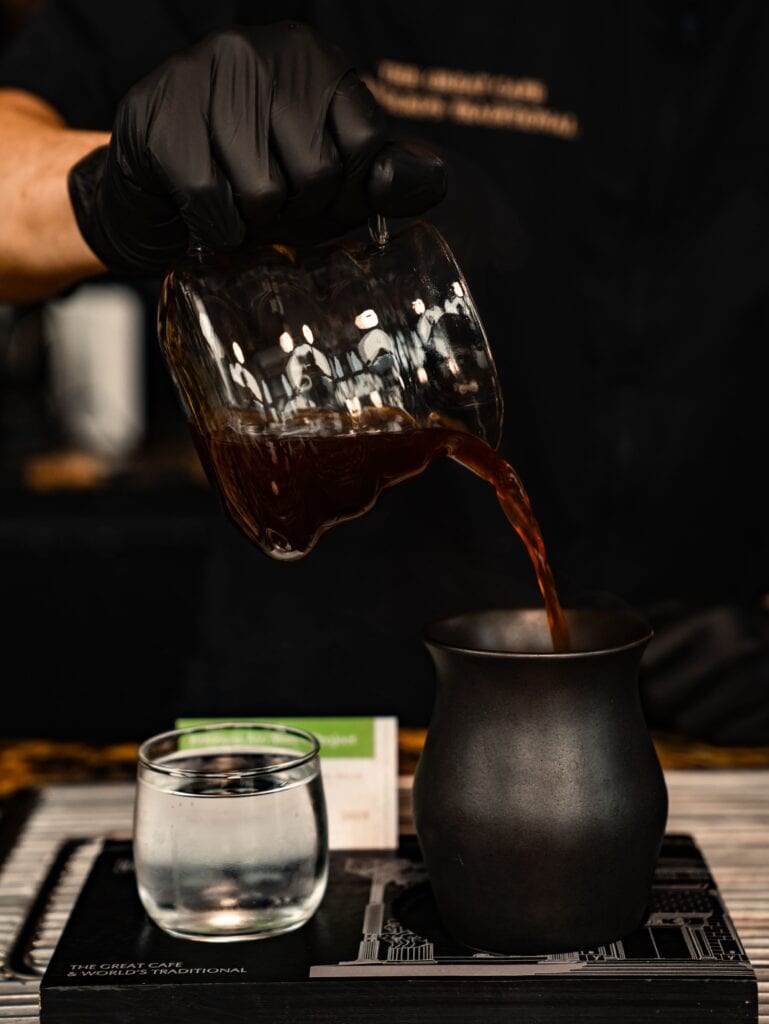
2. Shining on the “Best of Panama” Stage
The Best of Panama is one of the most important competition and auction platforms in Panama’s coffee industry, featuring quality evaluation and lots from a range of producers.
Geisha has received significant attention on this stage, and certain lots have achieved exceptionally high auction prices, attracting buyers and roasters from around the world.
These prices do not mean that every Geisha lot carries the same value. Rather, they reflect demand for coffees with limited availability, clear provenance, and distinctive cup characteristics.
3. High Cup-Quality Potential and Recognition
In the 100-point cupping system widely used in the industry, coffees scoring 80 points or above have traditionally been associated with the Specialty Coffee category. Some high-quality Panamanian Geisha lots have received scores above 90 in traditional cupping evaluations.
More recently, the Specialty Coffee Association introduced the Coffee Value Assessment (CVA), which evaluates coffee across multiple dimensions rather than relying on a single numerical score.
Ultimately, the reputation of Geisha is not based on scores alone. Its recognition comes from the combination of sensory distinction, scarcity, provenance, and the overall experience it can offer in the cup.
Decoding Tasting Notes of Lot GN 3320: White Floral, Strawberry, Pineapple, and Guava
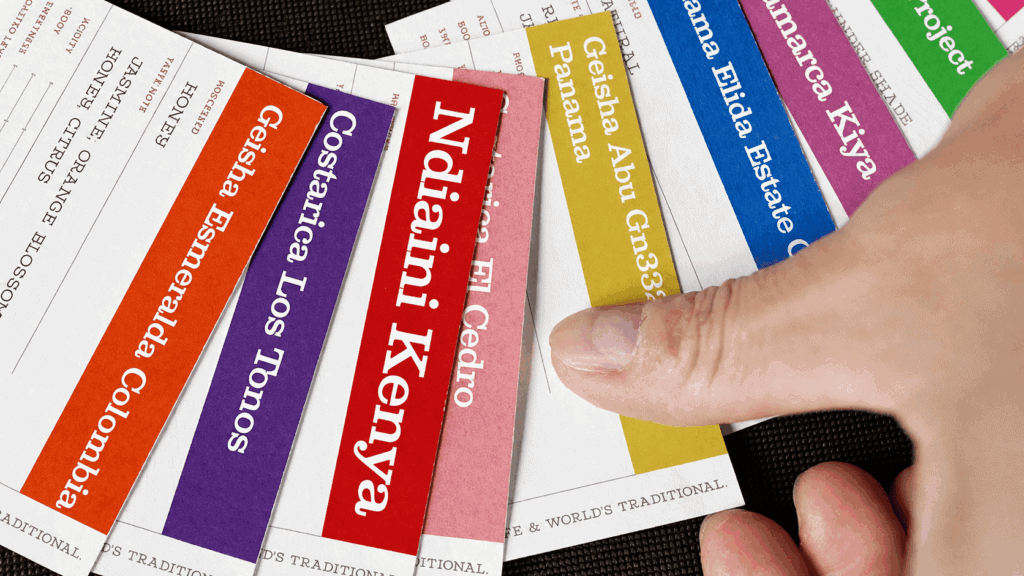
For this special campaign, DAVIN CAFE has selected a coffee identified by the lot code GN 3320. The code identifies the specific lot used for this campaign and should not be interpreted as a universal farm, plot, or processing code. For complete traceability—including producer, origin, elevation, and processing details—the information supplied directly by the relevant distributor or roaster should be treated as the primary reference.
The tasting notes associated with Lot GN 3320 are White Floral, Strawberry, Pineapple, and Guava. These are sensory descriptors used to communicate flavors and aromas that the coffee may suggest. They do not mean that flowers, fruit, or artificial flavorings have been added.
White Floral: The aroma may suggest delicate white flowers, offering a light and refined opening to the cup.
Strawberry: During the first few sips, you may notice a bright sweet-tart character reminiscent of fresh strawberries.
Pineapple: As the coffee cools, some drinkers may perceive a tropical fruit note reminiscent of pineapple, adding a refreshing sweet-and-sour dimension.
Guava: The finish may suggest ripe guava, contributing a gentle fruity sweetness to the aftertaste.
Of course, tasting is subjective. Your perception can vary depending on palate experience, coffee temperature, and brewing variables. It is best to think of these notes as a flavor compass rather than a strict rulebook.

Frequently Asked Questions About Panama Geisha
It is an Arabica coffee variety that became internationally renowned through cultivation in Panama, particularly for its floral aromatics, bright fruit character, and clean, tea-like cup profile. These qualities can create a different experience from darker-roasted coffees, which often emphasize bitterness, heavier body, or chocolate and nut-like notes.
GN 3320 is a specific lot code used by DAVIN CAFE to identify the coffee selected for this campaign. It is not necessarily a farm plot number or processing code. For detailed traceability, including farm and processing information, the relevant distributor or roaster should be used as the primary source.
While high-quality Geisha is often associated with floral and fruit-forward characteristics, every lot is different. For Lot GN 3320, the stated tasting notes are White Floral, Strawberry, Pineapple, and Guava, offering a bright and refreshing profile.
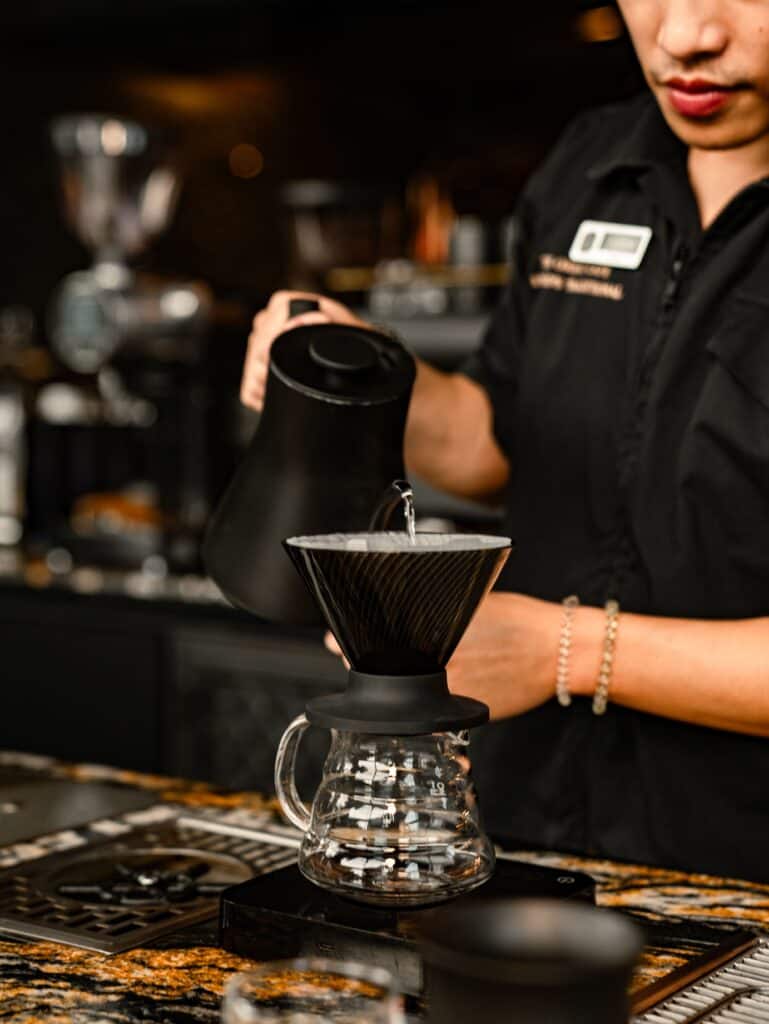
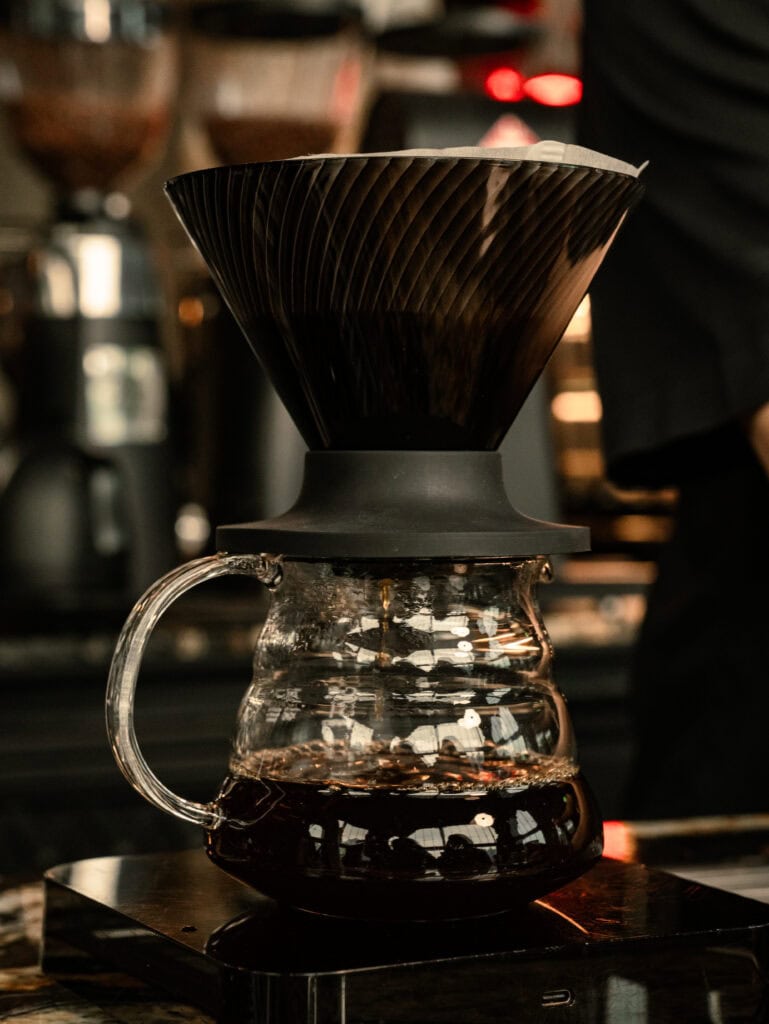
Brewing with a paper-filter Pour-Over reduces oils and fine particles in the cup, often producing a cleaner and more transparent presentation. This makes it a useful method for exploring floral, sweet, and fruit-like characteristics, although grind size, water temperature, ratio, and pouring technique will also influence the final result.
High-quality Geisha lots are often produced in limited quantities, so availability can vary between roasters and Specialty Coffee shops. This August, Lot GN 3320 will be available at DAVIN CAFE. Because this is a limited lot, we recommend checking current availability before visiting.
From the Story of Panama Geisha to the Tasting Experience at DAVIN CAFE
Whether you are an experienced Specialty Coffee drinker or are simply curious about why Geisha receives so much attention, tasting Lot GN 3320 can offer a practical way to explore terms such as floral, tea-like, acidity, and aftertaste through direct experience.
Reading tasting notes can provide a useful guide, but it cannot fully replace tasting the coffee itself. As the cup cools, its aroma, sweetness, acidity, and finish may shift, revealing different aspects of the coffee over time.
This August, guests at DAVIN CAFE can experience Lot GN 3320 as a Pour-Over and explore how its White Floral, Strawberry, Pineapple, and Guava tasting notes develop as the cup gradually cools.
Because this is a limited lot, we recommend checking current bean availability before visiting. For bean details, serving schedules, or table reservations, please contact DAVIN CAFE via LINE Official: @davincafe.
If you enjoyed exploring the story behind Panama Geisha, you can continue discovering more Coffee Knowledge from DAVIN CAFE, from coffee origins and varieties to processing, brewing, and the flavors found in each cup.
Latest news
Breakfast Set in Ramintra: Create Your Own Breakfast | DAVIN CAFE
Looking for a breakfast set in Ramintra? Create your...
The Best Brunch in Ramintra! Experience European-Style Dining at DAVIN CAFE
Looking for brunch in Ramintra? Enjoy European-style dishes, Specialty...
Golden Hour Cafe in Ramintra with Beautiful Sunset Light | DAVIN CAFE
Discover DAVIN CAFE, a Golden Hour cafe in Ramintra...
Exclusive Private Party Ideas You Can Make Your Own | DAVIN CAFE
Discover Private Party and Corporate Event ideas at DAVIN...
Halloween 2026: When It Is and How to Celebrate the Wickedpump Night at Davin Cafe, Bangkok
Halloween 2026 is Saturday, 31 October. Celebrate the Wickedpump...
International Coffee Day 2026: What It Is, and How to Explore Coffee Through Aroma, Taste and Story at DAVIN CAFE
Photo Cafe in Bangkok with Classic Architecture | DAVIN CAFE
Discover DAVIN CAFE, a photo cafe in Bangkok with...
Premium Restaurant in Liab Duan with a Great Atmosphere for a Special After-Work Meal
Discover DAVIN CAFE, a premium restaurant in Liab Duan...