

 ไทย
ไทย
Ever bought a bag of specialty coffee with intriguing tasting notes on the label—like florals, strawberry, or sweet peach—only to brew it at home and find it overwhelmingly sour, or perhaps so thin and bland that the barista’s magic seems lost?
This is a common issue with light roast coffee because beans at this roast level typically require adjustments in brewing variables, rather than relying on a one-size-fits-all recipe used for all roasts. If you are new to this category or want to know what makes it special, you can check out our guide on Light Roast Coffee to get the basics down.
This article will dive deep into how to brew light roast coffee, from understanding the nature of the beans to tweaking essential variables like water temperature, grind size, coffee-to-water ratio, and water quality. Let’s find that perfect balance to make the aroma, sweetness, acidity, and tasting notes of each bean shine.
Understanding “Light Roast Coffee”: Why is it Harder to Brew Than Other Roasts?
Before adjusting your recipe, it’s crucial to understand that light roast coffee usually has a denser bean structure and lower solubility compared to beans that have been roasted darker.
During the roasting process, heat evaporates moisture inside the bean and alters its cellular structure. Darker roasted beans become more porous and brittle, making it easier to extract their soluble compounds. In contrast, light roast beans undergo less heat development, so they often require careful management of temperature, grind size, time, and water to achieve a balanced extraction.
Therefore, if you use the exact same brewing method for a light roast as you would for a dark roast—such as using water that is too cool, grinding too coarse, or having too short of a contact time—it can lead to under-extraction. This usually results in a sharp, sour taste, a thin body, or a lack of sweetness.
However, sourness doesn’t always mean under-extraction, as some coffee origins naturally possess a fruity acidity. The goal is not to eliminate acidity entirely, but to find the sweet spot where the acidity, sweetness, and aftertaste are perfectly balanced.
4 Key Factors in How to Brew Light Roast Coffee to Extract Tasting Notes
Once you understand the nature of the beans, the next step is controlling the extraction. You can start with these four key variables, tweaking them one by one based on how each cup tastes.
Water temperature directly impacts the extraction rate. For light roast coffee, you can start testing around 92°C–96°C, then adjust according to the bean’s character, roast level, and your specific recipe.
Water with a higher temperature helps extract the compounds responsible for sweetness, aroma, and flavor. But hotter isn’t always better. If the taste becomes dry, astringent, or unbalanced, you can lower the temperature by 1–2°C to find the ideal point for that specific bean.
The key is to use these numbers as a starting point rather than a strict rule.
To increase extraction, you can start by grinding slightly finer, such as a medium-fine setting for pour-overs, because smaller particles increase the surface area exposed to water.
But avoid grinding too fine. This can create too much resistance against the water flow, leading to an overly long brew time or uneven extraction. It also increases the risk of channeling, which can result in a confusing mix of sour, astringent, and bitter flavors all in the same cup.
The easiest way to dial this in is to make small adjustments to your grind size and taste the difference. If the coffee is sour, thin, and finishes too fast, try a finer grind. If it tastes dry, astringent, or drains very slowly, try going a bit coarser.
The coffee-to-water ratio affects both the level of extraction and the strength of the coffee. For a light roast pour-over, you can start experimenting within the 1:15 to 1:17 range.
For example, for 15 grams of coffee, you would use about 225–255 grams of water. A recipe of 15 grams of coffee to 240 grams of water (a 1:16 ratio) is an easy-to-understand starting point for home brewing.
A basic starting recipe looks like this:
- Coffee: 15 grams
- Water: 240 grams
- Brew Ratio: 1:16
- Temperature: 92–94°C
- Grind Size: Medium-Fine
- Bloom: Approx. 40–45 seconds
- Total Brew Time: Approx. 2:30–3:30 minutes
These numbers aren’t set in stone. If the coffee is still sour and thin, you can experiment with increasing the extraction by grinding finer, raising the temperature, or adjusting your pouring technique one step at a time. If it starts tasting dry or astringent, try reducing the extraction.
Adjusting one variable at a time helps you clearly understand how each change impacts the final flavor.
Water is the main ingredient in a cup of coffee, and its mineral composition significantly affects both the extraction and flavor perception.
RO (Reverse Osmosis) water, which has very low mineral content, can be used for brewing if minerals are appropriately re-added. However, using extremely low-mineral water without any adjustments can result in an extraction and flavor profile far from what you intended.
For home brewing, start by testing filtered water or bottled drinking water with an appropriate mineral level. A TDS (Total Dissolved Solids) of around 75–150 ppm is a good starting range. That said, TDS doesn’t tell the whole story, as the types and proportions of minerals—like Calcium, Magnesium, and Bicarbonate—also play a major role in flavor.
So, if you are using the same beans and recipe but the taste has drastically changed, swapping out your water might be the first variable to test before overhauling your entire recipe.
Conclusion: Experience Light Roast Specialty Coffee
There is no single recipe on how to brew light roast coffee that works perfectly for every bean, as factors like origin, variety, and processing methods (Washed, Natural, or Honey) all result in distinctly different character profiles. The true charm of a pour-over lies in the experimentation—starting with a controllable base recipe and gradually adjusting the temperature, grind size, ratio, or pouring technique one variable at a time, until you find that sweet spot where acidity, sweetness, aroma, and tasting notes work in perfect harmony.
If you want to take a break from brewing at home this weekend, drop by and explore the world of specialty coffee at DAVIN CAFE. We offer a rotating selection of single-origin and special lot light roast beans. Whether you prefer vibrant fruity notes, delicate florals, or complex flavors, our baristas will tailor the extraction to suit each bean’s character, bringing out its absolute best. To ensure you don’t miss out on our special lots, you can inquire about our weekly beans or reserve a table via LINE Official: @DAVINCAFE (with the @ symbol). Come discover your new favorite cup of coffee with us!
5 Frequently Asked Questions (FAQ) About How to Brew Light Roast Coffee
If the taste is sharp, sour, thin, and has a short aftertaste, it’s likely a sign of under-extraction. You can try grinding slightly finer, raising the water temperature, or increasing the water volume (e.g., from a 1:15 to a 1:16 ratio). You should adjust one variable at a time and taste the comparison.
Keep in mind that some light roasts naturally feature fruity acidity. The goal isn’t to eliminate the tartness, but to support it with enough sweetness and structural depth for a balanced cup.
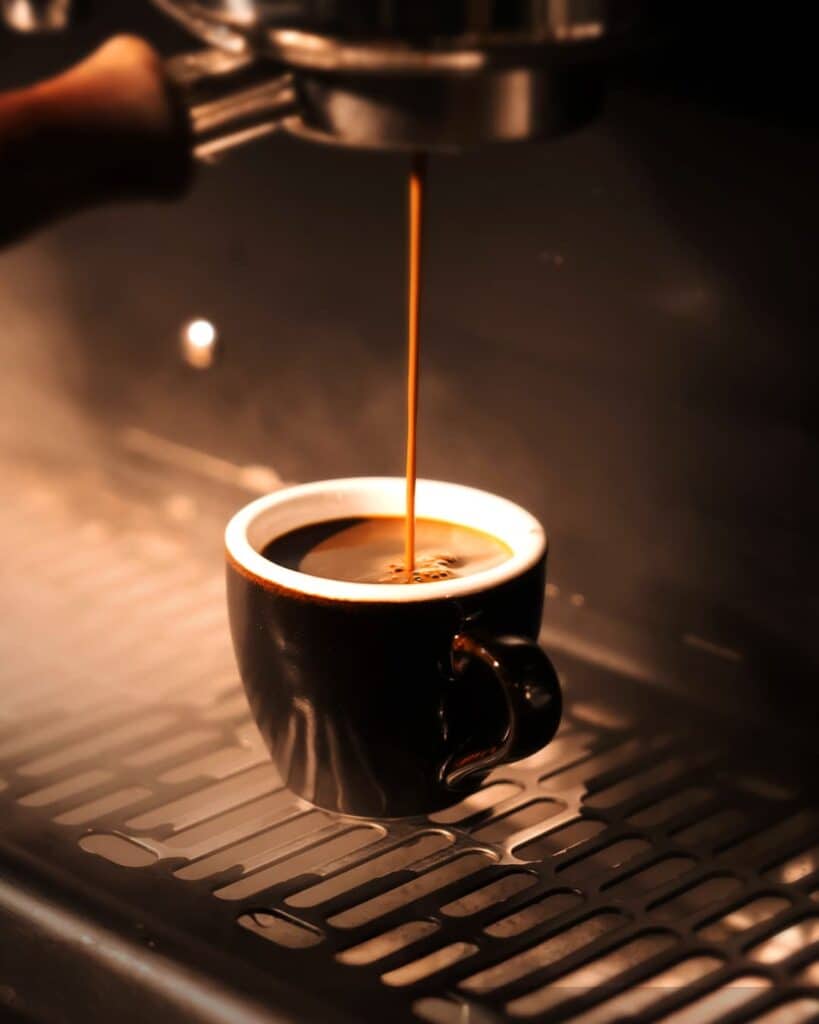
Yes, but a light roast espresso often requires more recipe adjustments because the beans are harder to extract than darker roasts. Baristas might use a higher temperature, adjust the grind size, and experiment with a longer brew ratio or yield to boost extraction and find the balance between acidity and sweetness.
The ideal recipe will always vary depending on the beans, the grinder, the espresso machine, and the roast profile.
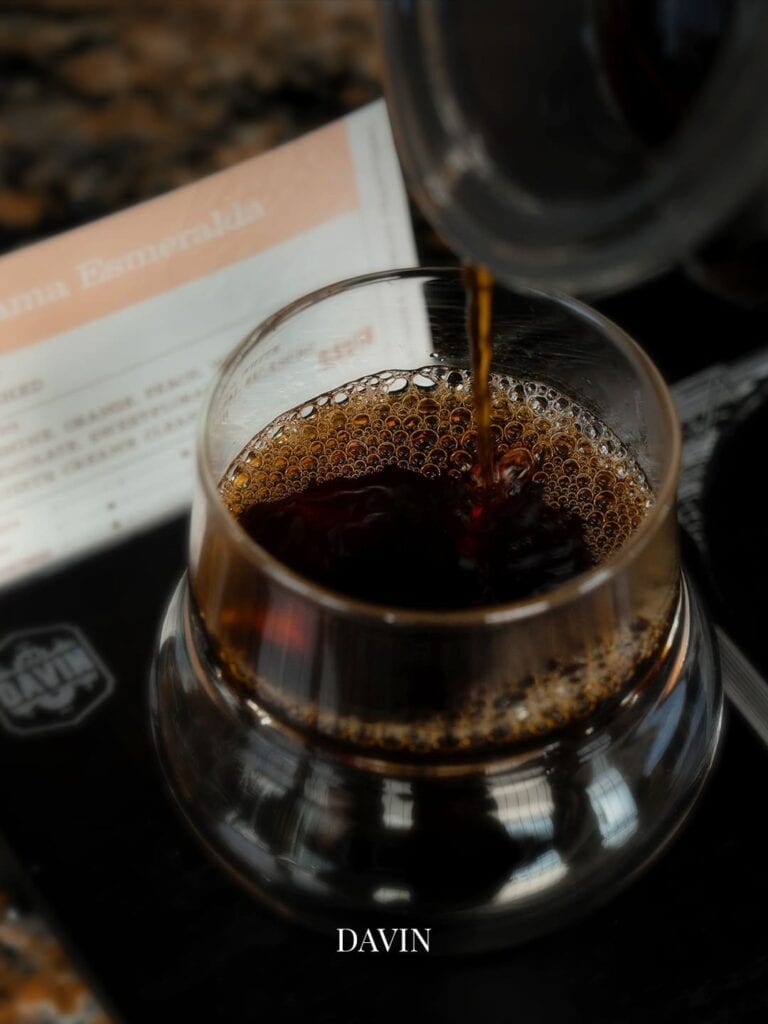
The Pour-Over or Drip method is highly popular for light roast coffee. The paper filter removes some oils and sediment, resulting in a very clean cup that makes it easy to explore delicate floral and fruity notes, as well as sweetness and acidity.
However, this doesn’t mean a Pour-Over is the only good method. Devices like the AeroPress, an espresso machine, or immersion brewers can also showcase the unique characteristics of a light roast in different, wonderful ways.
There is no strict rule stating that light roasts must bloom longer than all other roast levels. You can start with around 30–45 seconds and adjust based on the freshness of the beans, gas content, and your recipe.
The goal of the bloom is to evenly saturate the coffee grounds and allow some of the trapped gases to escape before the main pour. This helps ensure a more even and consistent extraction throughout the rest of the brew.
Roast level alone does not directly determine caffeine content. The difference depends on the coffee species, the amount of coffee used, how you measure your dose (by volume vs. weight), and the extraction method.
Therefore, stating that light roast or dark roast always has more caffeine isn’t entirely accurate. For a fair comparison, you need to control the bean type, coffee weight, and brewing recipe first.
Latest news
Breakfast Set in Ramintra: Create Your Own Breakfast | DAVIN CAFE
Looking for a breakfast set in Ramintra? Create your...
The Best Brunch in Ramintra! Experience European-Style Dining at DAVIN CAFE
Looking for brunch in Ramintra? Enjoy European-style dishes, Specialty...
Golden Hour Cafe in Ramintra with Beautiful Sunset Light | DAVIN CAFE
Discover DAVIN CAFE, a Golden Hour cafe in Ramintra...
Exclusive Private Party Ideas You Can Make Your Own | DAVIN CAFE
Discover Private Party and Corporate Event ideas at DAVIN...
Halloween 2026: When It Is and How to Celebrate the Wickedpump Night at Davin Cafe, Bangkok
Halloween 2026 is Saturday, 31 October. Celebrate the Wickedpump...
International Coffee Day 2026: What It Is, and How to Explore Coffee Through Aroma, Taste and Story at DAVIN CAFE
Photo Cafe in Bangkok with Classic Architecture | DAVIN CAFE
Discover DAVIN CAFE, a photo cafe in Bangkok with...
Premium Restaurant in Liab Duan with a Great Atmosphere for a Special After-Work Meal
Discover DAVIN CAFE, a premium restaurant in Liab Duan...