

 ไทย
ไทย
Written by Davin Cafe team | Last updated: September 2026
Light roast coffee is coffee roasted for a shorter time and finished close to the point where the beans first crack, known as first crack. Its flavour clearly reflects the variety, origin and processing of the beans, with fruit-like brightness called acidity, low bitterness and a lighter body than dark roast. When light roast tastes sharply or harshly sour, the cause is usually not the beans but an under-extracted brew, which you can fix by grinding finer or using hotter water.
Plenty of people order light roast for the first time and think it tastes like fruit juice. Some love it straight away, others never order it again. Yet the difference between a delicious cup and one that is too sour to finish can come down to just a couple of grind settings. This guide answers the most common questions about light roast coffee and gives you a recipe you can actually use as a starting point at home.
The short version
- Taste: Fruity brightness, sweetness and a clean finish, with low bitterness and a light body
- Is it sour? : Bright, not spoiled. If it is sharp and finishes short, it is usually under-extracted
- Caffeine: About the same as dark roast by weight. Measured by scoop, light roast has slightly more
- Price: Higher, because it needs top-quality beans with no roast intensity to hide defects
- Best brew: Pour-over at 1:15-1:17, water at 92-96°C, medium-fine grind
What Is Light Roast Coffee, and How Is It Different from Dark Roast?
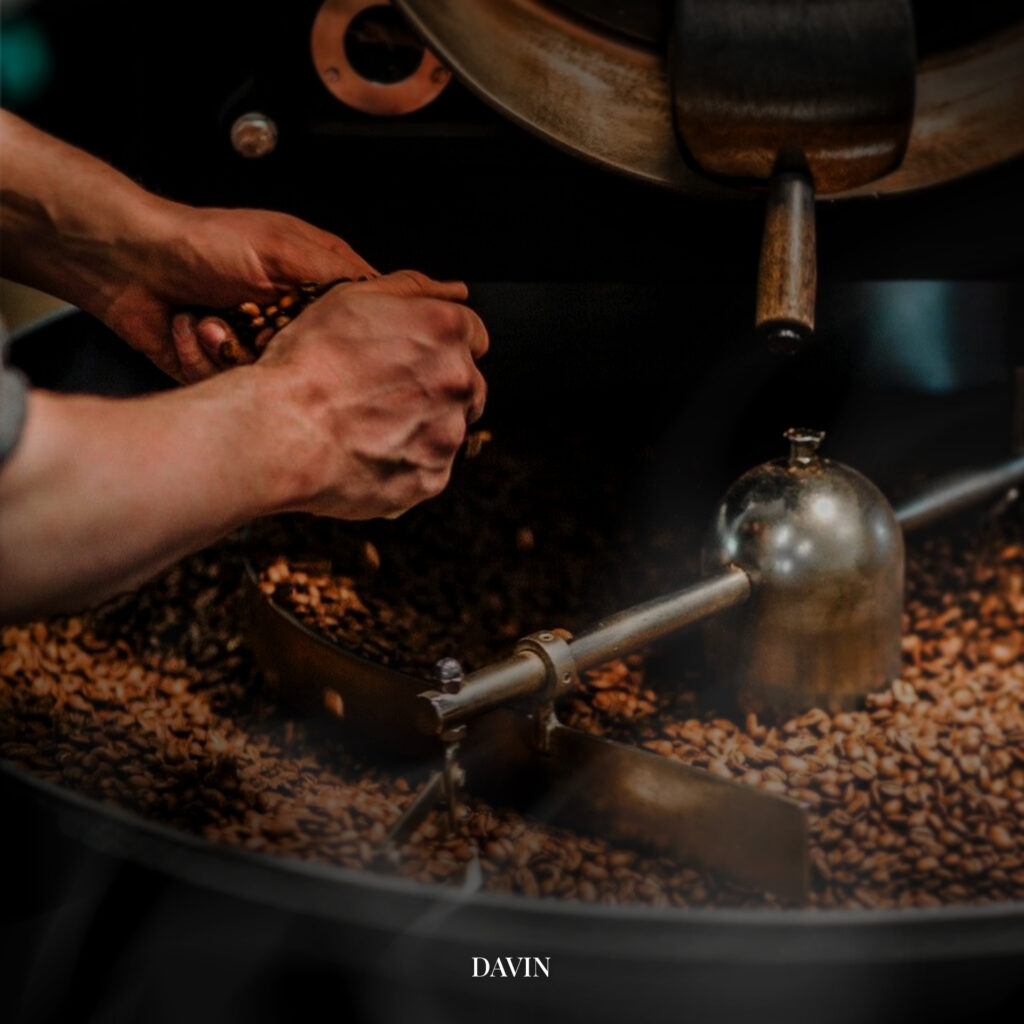
Roasting uses heat to turn green coffee beans into something aromatic and flavourful. The longer the roast, the more “roast” flavours such as bitterness, smokiness and dark chocolate take over, while flavours from the bean itself, such as florals and fruit, fade.
Light roast lets the bean speak for itself. An Ethiopian coffee might taste of flowers and citrus, while a Kenyan coffee might show berry notes and sharper acidity, even at the same roast level and brewed the same way.
| Factor | Dark roast | Light roast |
|---|---|---|
| Main flavours | Bitter, dark chocolate, smoky | Fruit, florals, clean sweetness |
| Acidity | Low | High and bright |
| Bitterness | High | Low |
| Body | Heavy | Light and clear |
| Flavour comes from | Mainly the roasting process | Origin, variety and processing |
| Best for | Espresso with milk, fans of strong flavour | Drip or pour-over, drunk black |
Medium roast sits in between, keeping some acidity and fruit while adding caramel sweetness and more body. It is a good starting point if you are not yet sure whether light roast is for you.
Is Light Roast Coffee Sour?
Yes, but not in the way many people fear. In coffee, this is called acidity: a brightness that makes coffee feel alive, similar to orange, green apple or berries. Good acidity usually comes with sweetness and leaves a clean finish.
The problem is that light roast can also taste unpleasantly sour when it is under-extracted. Light roast beans are denser and harder than dark roast, so water struggles more to pull out flavour. If the grind is too coarse or the water is not hot enough, you only get the first layer of acidity without the sweetness that balances it.
Telling Good Acidity from a Bad Brew
- Good acidity: Bright, followed by sweetness, clear fruit aroma, and a clean, lingering finish
- Under-extracted sourness: Sharp, pinching, slightly salty on the tongue, no sweetness, short finish
- Over-extracted bitterness: Bitter and drying like over-steeped tea, with the fruit notes gone
If your cup tastes like the second one, try grinding one or two settings finer or using hotter water before deciding light roast is not for you.
Does Light Roast Coffee Have More Caffeine?
It depends on how you measure. By weight, light and dark roast contain almost the same amount of caffeine, because very little caffeine is lost during roasting. But dark roast beans expand and become lighter, so if you measure by the scoop, the denser light roast beans give you more coffee and slightly more caffeine. The “strong” feeling of dark roast comes from bitterness and body, not extra caffeine.
Why Is Light Roast Coffee More Expensive?
The main cost is not the roasting, it is the beans.
- Nothing to hide defects Dark roasting can mask off-flavours from poor beans, but light roast reveals everything, so it needs high-quality beans
- Careful sorting Broken, black or unripe beans must be removed before and after roasting
- Specific origins It is often single-origin coffee traced to a farm or region, with limited supply
- Special processing Methods such as natural, honey or anaerobic take more time and care
How to Brew Light Roast Coffee as a Pour-Over for Tasting Notes
This recipe is a starting point for most light roast beans. Brew it once, then adjust based on how it tastes.
- Weigh 15 g of coffee and 240 g of water (roughly 1:16)
- Grind medium-fine, about the size of table salt. Light roasts usually need a slightly finer grind than dark roasts
- Use water at 92-96°C Light roast needs hotter water to draw out sweetness
- Bloom for 30-45 seconds Pour about twice the coffee weight in water (around 30-40 g) to release gas
- Pour the remaining water in 2-3 stages in slow circles, keeping the water level steady
- Aim for a total time of about 2:30-3:30
How to adjust
- Sharp, sour, no sweetness, short finish: grind finer or use hotter water
- Bitter, drying, astringent: grind coarser or lower the water temperature slightly
- Thin, watery, flat: use more coffee or less water, for example 1:15
How to Taste and Find the Tasting Notes
Tasting notes are the aromas and flavours roasters detect in the beans, such as orange, jasmine or peach. They do not mean anything was added to the coffee.
- Let it cool a little Very hot coffee dulls the palate, and fruit notes become clearer as it cools
- Slurp Drawing the coffee in with air spreads it across your mouth and lifts the aroma
- Taste one element at a time Acidity, sweetness, body and the aftertaste once you swallow
- Taste again as it cools The same cup can change several times from hot to cool
- Do not worry if you miss the listed notes Tasting is a skill you build. Start by asking which fruit family it reminds you of
Who Is Light Roast Coffee For, and How Should Beginners Start?
Light roast suits people who drink coffee black or without sugar, people who enjoy fruit juice or tea, and anyone curious about how coffees from different places taste.
Beginners often find natural or honey processed beans easier, since they tend to be sweeter with ripe fruit notes, compared with washed coffees where bright acidity is more pronounced. You can add milk, but it will mute some of the fruit, so try it black at least once to really get to know light roast.
Try Light Roast Coffee at Davin Cafe
The quickest way to find out whether you like light roast is to have a barista brew you a cup. At Davin Cafe, just tell the barista you would like to try a light roast and what you enjoy, such as bright acidity or ripe, sweet fruit. They will suggest a bean available that day and the best way to brew it, and you can use this guide to see which tasting notes you pick up.
The cafe also runs coffee community events with roasters from time to time, such as Flavor Exchange: DAVIN CAFE x TOBO’ Coffee Roaster. To learn more about the cafe’s approach to coffee, read DAVIN CAFE: A Specialty Coffee Shop in Bangkok.
Conclusion, Light Roast Coffee Is Not Scary Sour When Brewed Right
Light roast coffee lets the bean show its character, with fruity acidity, sweetness and aromas that shift as the cup cools. The hard-to-drink sourness most people remember usually comes from an under-extracted brew, not from light roast itself. Use the recipe in this guide as your starting point and adjust one thing at a time until you find your cup.
Want to taste it before you brew it? Visit Davin Cafe beside the Ram Inthra Expressway, open daily from 8:30 AM to midnight. Get directions on Google Maps and ask the barista for a light roast.
Frequently Asked Questions About Light Roast Coffee
It is coffee roasted for a shorter time and finished close to first crack, so its flavour clearly reflects the variety, origin and processing of the beans, with fruity acidity, low bitterness and a lighter body than dark roast.
It has a bright, fruit-like sourness called acidity, which usually comes with sweetness. If it tastes sharp, lacks sweetness and finishes short, it is usually under-extracted, which you can fix by grinding finer or using hotter water.
By weight, they are almost the same. Measured by scoop, the denser light roast beans contain slightly more caffeine.
It needs high-quality, carefully sorted beans, because light roasting cannot hide defects, and it is often single-origin coffee or uses special processing methods that cost more.
Pour-over or drip brings out the tasting notes best. A good starting recipe is 15 g of coffee to 240 g of water at 92-96°C, a medium-fine grind and a total brew time of about 2:30-3:30.
Yes, especially for people who like fruit juice or tea. Start with natural or honey processed beans, which tend to be sweeter, and try it black first to taste the bean most clearly.
Latest news
Exclusive Private Party Ideas You Can Make Your Own | DAVIN CAFE
Discover Private Party and Corporate Event ideas at DAVIN...
Halloween 2026: When It Is and How to Celebrate the Wickedpump Night at Davin Cafe, Bangkok
Halloween 2026 is Saturday, 31 October. Celebrate the Wickedpump...
International Coffee Day 2026: What It Is, and How to Explore Coffee Through Aroma, Taste and Story at DAVIN CAFE
Photo Cafe in Bangkok with Classic Architecture | DAVIN CAFE
Discover DAVIN CAFE, a photo cafe in Bangkok with...
Premium Restaurant in Liab Duan with a Great Atmosphere for a Special After-Work Meal
Discover DAVIN CAFE, a premium restaurant in Liab Duan...
Restaurant in Pradit Manutham with European Vibes | DAVIN CAFE
Discover DAVIN CAFE in Pradit Manutham, featuring European-inspired design,...
DAVIN CAFE: A Specialty Coffee Shop in Bangkok for the Art of Coffee Brewing
Experience Specialty Coffee, Drip Coffee, and expertly crafted drinks...
European-Style Cafe in Bangkok for Travelers and Those Seeking a Premium Atmosphere
Looking for a European-style cafe in Bangkok? DAVIN CAFE...