 ไทย
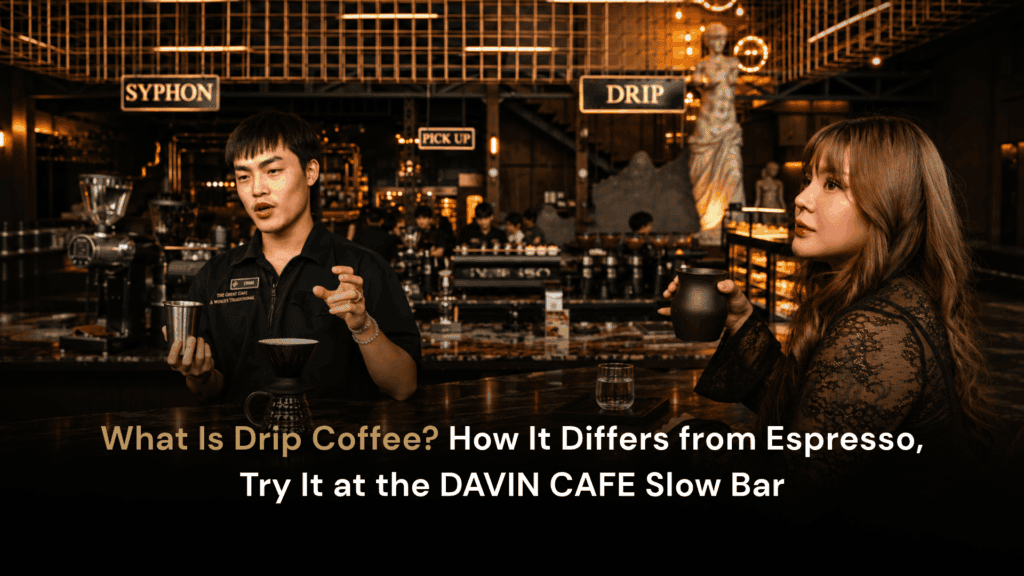
Drip coffee is coffee made by pouring hot water over ground coffee sitting in a paper filter, then letting the brew drip slowly into a vessel below by gravity. The result is a clean, aromatic black coffee with a lighter body than espresso. Espresso, by contrast, uses high pressure to force water through finely ground coffee in under a minute, producing a concentrated, full-bodied shot that is the base for lattes, cappuccinos and Americanos.
If you usually order a latte or an Americano and have started noticing “Drip” or “Pour Over” on cafe menus, the real question is often not just what it is, but whether you will like it. This guide answers both: what drip coffee is, how it actually tastes different, and how to order your first cup so it suits you.
Quick summary
- Drip coffee: Hot water poured over coffee in a paper filter, brewed by gravity, for a clean, aromatic cup
- Espresso: Brewed under pressure for a strong, full-bodied shot that pairs well with milk
- Caffeine: A cup of drip coffee often has as much or more caffeine than a single espresso shot
- Is it sour? Light roasts can taste bright and fruity; ask for a medium or dark roast if you prefer less acidity
- Your first order: Tell the barista what you usually drink, whether you like acidity, and if you want it hot or iced
What Is Drip Coffee? A Simple Explanation
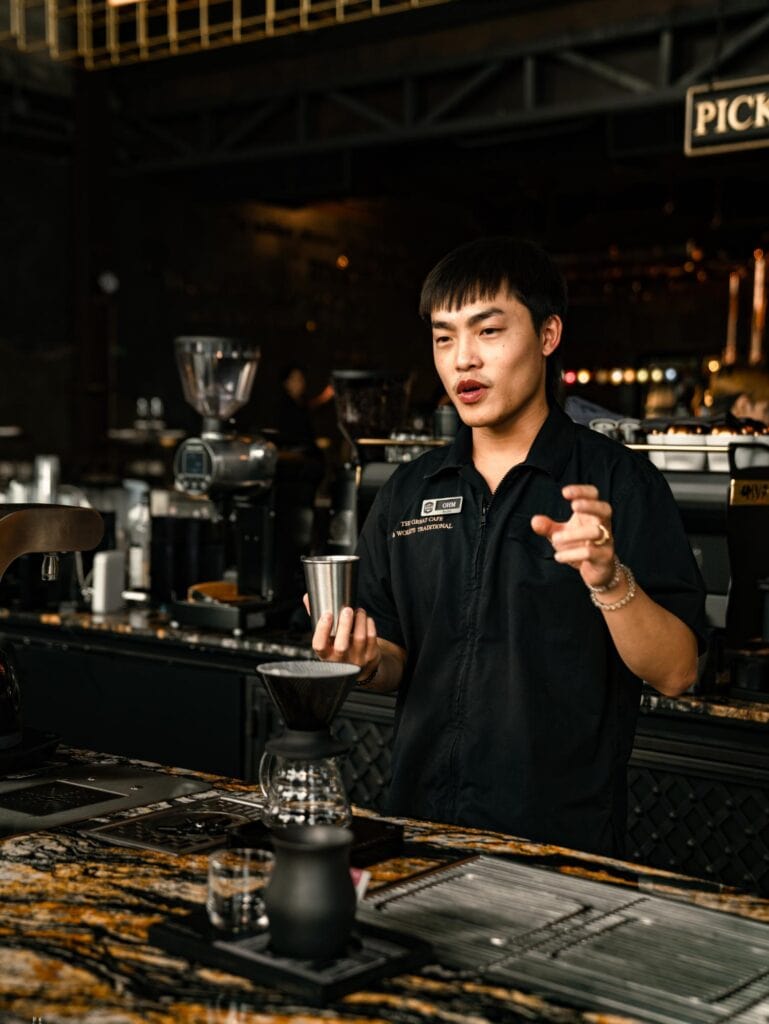
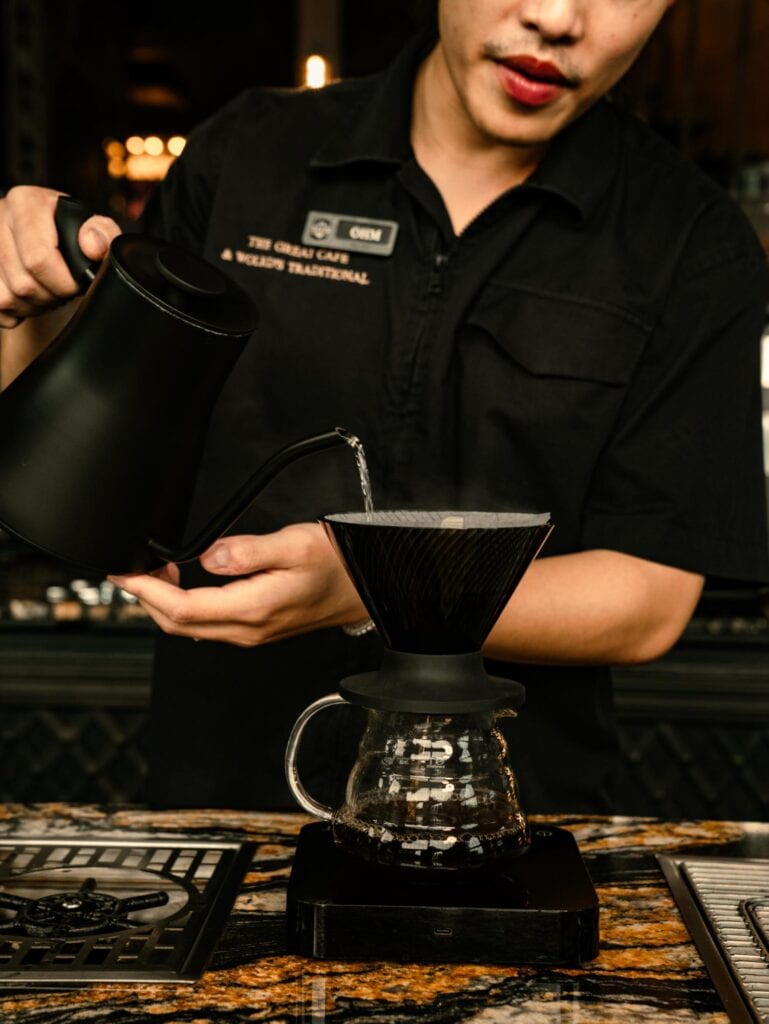
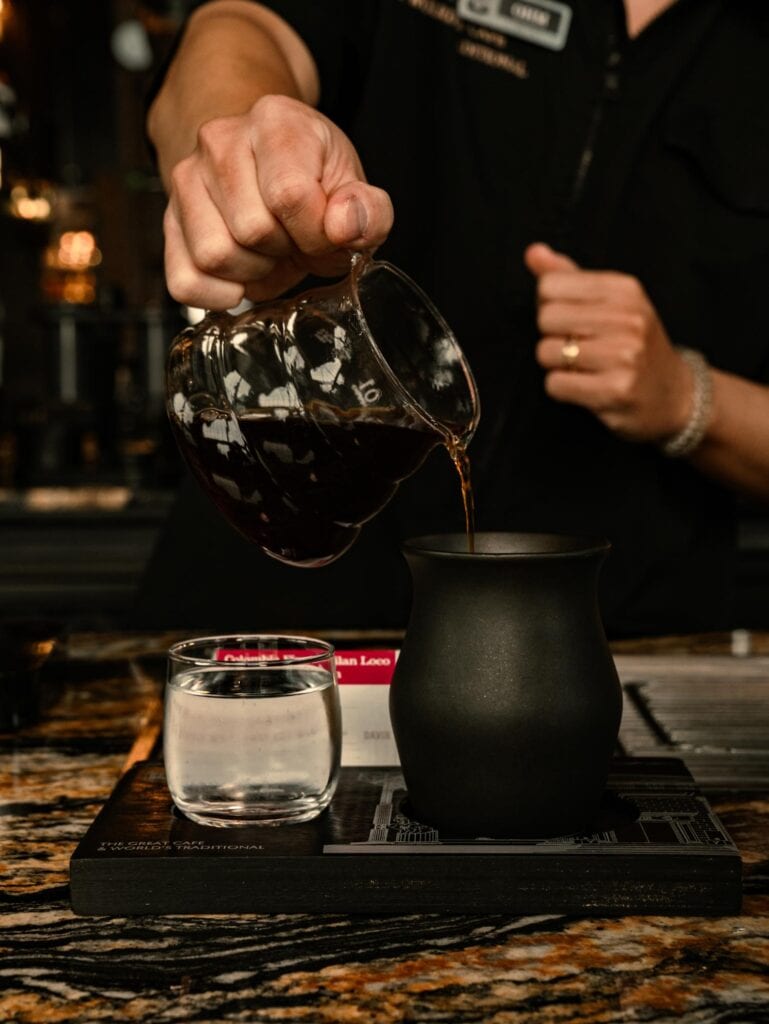
Picture a small cone lined with a paper filter and filled with ground coffee. The barista slowly pours hot water in circles from a gooseneck kettle. The water soaks through the grounds, carries the flavour and aroma with it, and drips into the server below. That is the heart of drip coffee: no pressure at all, just a steady hand and gravity.
What makes one cup of drip different from the next is the small details the brewer controls: the coffee-to-water ratio, grind size, water temperature, pouring rhythm and contact time. A common starting ratio is around 1:15 to 1:17, meaning 1 gram of coffee to 15–17 grams of water, though every cafe adjusts it to suit the beans.
Before the main pour, baristas usually wet the grounds with a little water and let them swell for about 30 seconds. This step, called the bloom, releases gas trapped in freshly roasted beans so the rest of the water can extract flavour more evenly.
Pour Over vs Drip Coffee: Are They the Same?
In most cafes, drip coffee and pour over mean the same thing: coffee brewed by hand through a dripper. “Pour over” describes pouring the water by hand, while “drip” describes the coffee dripping through. Two of the most common drippers are the cone-shaped V60 and the flat-bottomed Kalita Wave, which taste slightly different because water flows through them at different speeds. Outside Asia, “drip coffee” can also mean coffee from an automatic drip machine, which works on the same principle with a machine doing the pouring.
Fresh Drip at a Cafe vs Drip Bag Coffee
Drip bag coffee is pre-ground coffee packed in a filter pouch that hangs over your cup. Just add hot water. It is convenient and far better than instant coffee, but because the coffee is ground in advance, the aroma fades faster than beans ground just before brewing, and you have less control over the pour. Fresh drip at a cafe usually offers a fresher aroma and more complex flavour.
Drip Coffee vs Espresso: Four Differences You Can Taste
In Thailand, people often call espresso-based drinks “machine coffee”, which is how this article uses the comparison. Here is how drip coffee and espresso differ in the cup.
Extraction: Drip Uses Gravity, Espresso Uses Pressure
An espresso machine uses around 9 bars of pressure to push hot water through finely ground, tightly packed coffee in about 25–30 seconds, concentrating everything into a small amount of liquid. Drip coffee uses a medium grind and lets water flow through slowly over roughly 2.5 to 4 minutes, using several times more water. The cup is less concentrated but not weak, because the flavour is spread through a larger volume.
Drip Coffee Taste Compared with Espresso
The paper filter in drip brewing traps most of the oils and fine particles, so drip coffee tastes clean and smooth and shows off each bean’s character more clearly, such as fruity, floral or tea-like notes. Espresso is not paper-filtered, so its oils stay in the cup, giving it a heavier body, thick crema and a strong flavour that stands up to milk.
Think of espresso as a small square of dark chocolate that hits your palate at once, and drip coffee as a good cup of tea whose flavour gradually shifts as it cools.
Does Drip Coffee Have More Caffeine Than Espresso?
Many people assume espresso has more caffeine because it tastes stronger. Espresso does have more caffeine per millilitre, but a shot is small. A cup of drip coffee usually uses more coffee in total, so drip coffee often has as much or more caffeine per cup than a single espresso shot. The exact amount depends on how much coffee each cafe uses and the cup size. For more on strength and caffeine, read what to order when you want strong coffee.
Why Drip Coffee Takes Longer Than Espresso
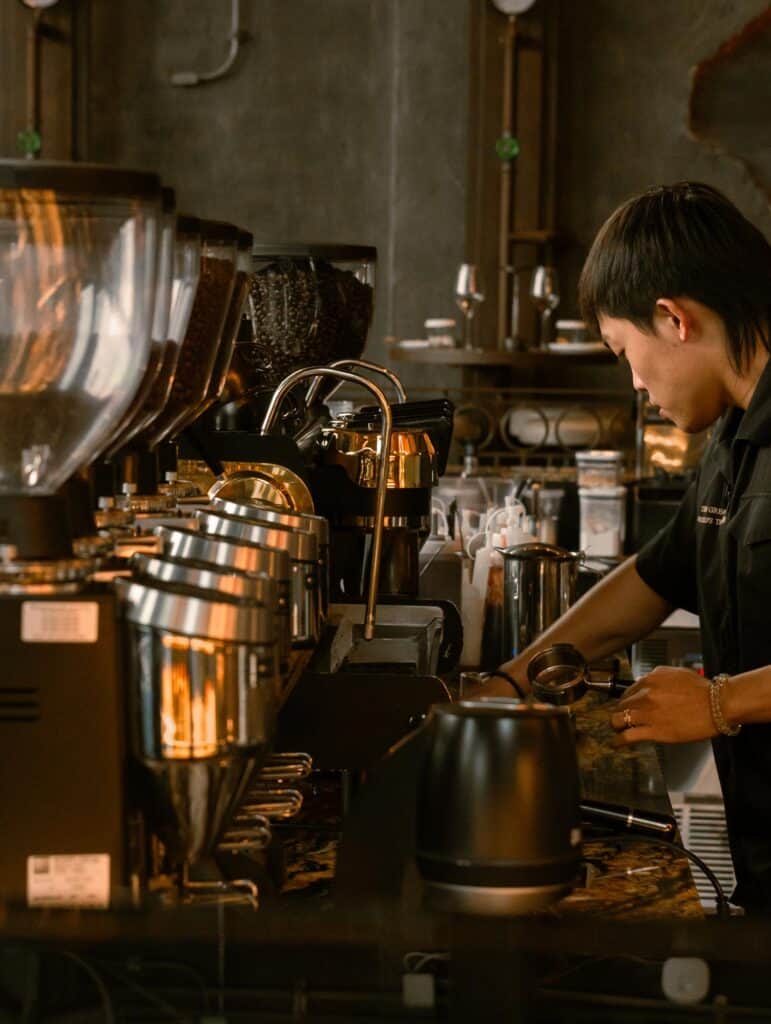
Espresso machines are built for speed and consistency, so a cafe can pull many shots quickly. Drip coffee takes longer per cup and depends heavily on the brewer’s technique. That is why many cafes give hand brewing its own counter, often called a Slow Bar.
Is Drip Coffee Acidic? Why Some Cups Taste Different
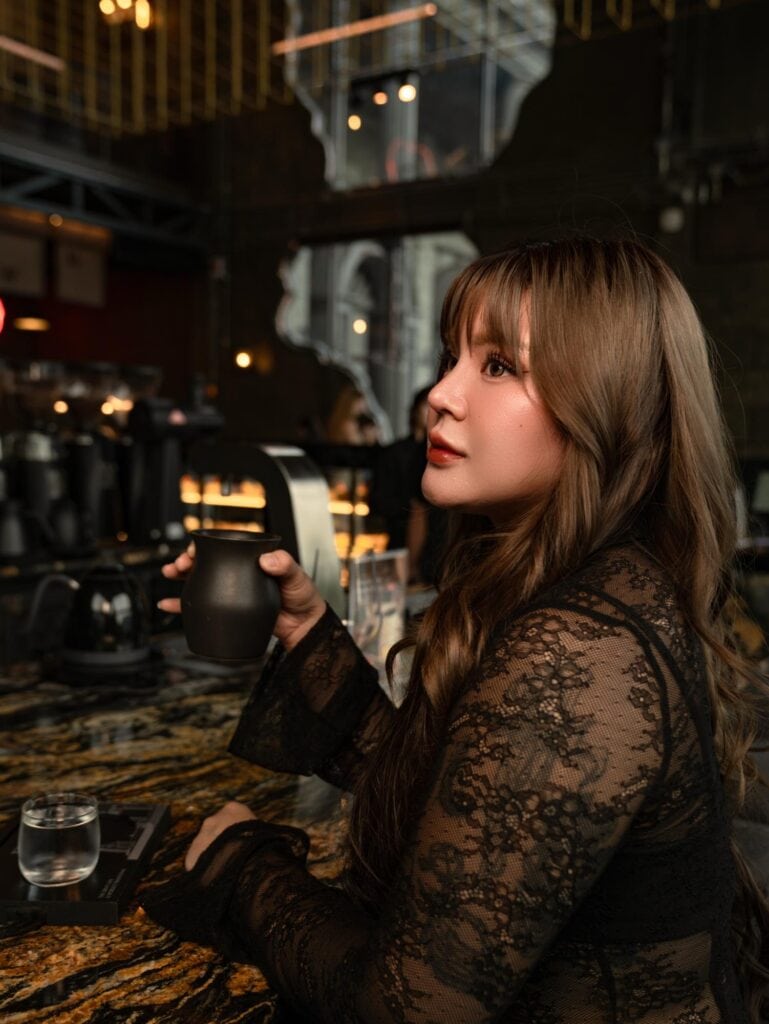
The question first-time drinkers ask most is whether drip coffee is sour. Some cups are, and on purpose. Many specialty cafes brew light-roast beans as drip because it brings out their bright, fruity acidity. Good acidity tastes fresh and is followed by sweetness, like orange or berries, rather than a sharp sourness that stings the tongue.
If you do not enjoy acidity, drip can still work for you. Medium and dark roasts give chocolate, nutty and caramel notes that feel closer to the coffee you already know. Roast level matters as much as brewing method.
Who Is Drip Coffee For?
Drip coffee suits people who want to taste how coffees from different origins differ, black-coffee drinkers looking for a lighter cup with more layers, and anyone with time to sit and sip without rushing.
If you mostly drink milk coffee, love a strong, heavy cup or need coffee on the way to work, espresso is still the better fit. Neither is better than the other. They are made for different experiences, and many people enjoy both depending on the day.
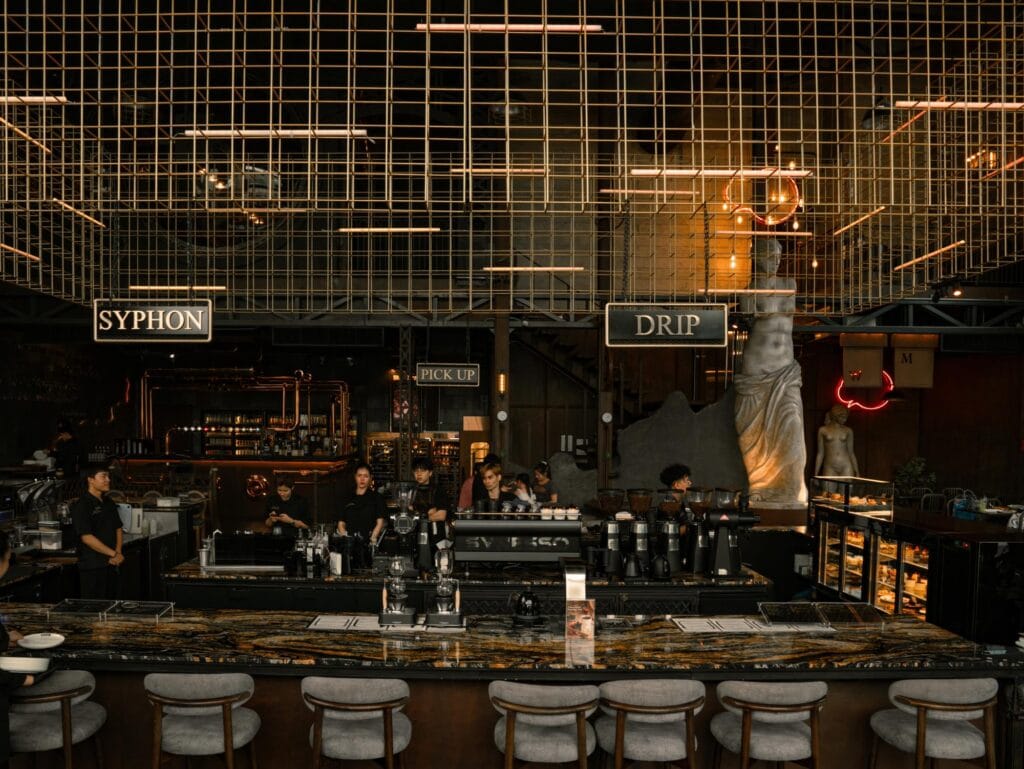
What Is Slow Bar Coffee, and How to Order Your First Drip
A Slow Bar is a counter set aside for hand-brewed coffee, such as drip, Aeropress or Syphon. You sit at the bar, watch the barista brew in front of you and talk about the beans while you wait, usually around 5–10 minutes per cup. The real appeal is not just the coffee, but choosing your beans with the person who knows them best.
Three Things to Tell the Barista for Your First Drip
- What you usually drink, for example “I normally have a latte” or “I drink black Americanos”, so the barista can find the right starting point
- Whether you like acidity, which alone rules out more than half the bean options
- Whether you want it hot or as an iced pour over, since iced drip is brewed slightly differently and the barista will adjust the recipe
One small tip: do not rush to drink it while it is very hot. Drip coffee tastes clearer as it cools a little, so the first and last sips often taste different.
Try Drip Coffee at the DAVIN CAFE Slow Bar in Ramintra
If you would like to taste it for yourself and are looking for specialty coffee in Bangkok without heading into the city centre, the Slow Bar at DAVIN CAFE, a cafe in Ramintra, is a good place to start. The cafe selects specialty coffee beans from origins around the world, offers light, medium and dark roasts, and lets you work with the barista to adjust the flavour to your taste. Hand-brewed options include Drip, Aeropress and Syphon. If you are unsure whether you like acidity, tell the barista the three things above and let them pick the right beans for you that day. For more about the space and opening hours, see our European-style Bueng Kum cafe open until midnight.
If you still want a milk coffee but fancy something new, read what Dirty Coffee is and how it differs from a latte, a drink that sits between the intensity of espresso and the softness of milk. Order one alongside a drip and taste two coffee worlds at the same table.
Summary: Choose Drip or Espresso Based on What You Want from the Cup
If you want to taste the beans themselves and enjoy a clean, smooth cup with time to sip, choose drip coffee. If you want a strong, full-bodied coffee or mostly drink milk-based drinks, espresso is still your answer. Still undecided? Order both and taste them side by side.
DAVIN CAFE is at 108 Soi Khlong Lam Chiak, Nawamin, Bueng Kum, Bangkok, next to Ramintra Expressway Road, open daily 08:30–00:00. Get directions on Google Maps, ask about today’s beans via the DAVIN CAFE LINE Official Account, or call 091-886-6999 (+66 91 886 6999 from outside Thailand).
Frequently Asked Questions About Drip Coffee
Per cup, drip coffee usually has as much or more caffeine than a single espresso shot because it uses more coffee in total. Espresso tastes stronger and has more caffeine per millilitre, but the actual amount depends on the dose, cup size and number of shots.
An Americano is espresso topped with hot water, so it keeps the oils and body that come from pressure brewing. Drip coffee is filtered through paper from the start, so it tastes cleaner and shows each bean’s character more clearly. Both are black coffee, but with a different texture.
Yes, but most people drink it black. Drip coffee has a light body, so milk can easily mask the bean’s distinctive aroma and flavour. Try a few sips black first, then decide whether to add anything.
Yes. Iced drip is usually brewed by pouring hot water directly over ice so the coffee chills instantly and keeps its aroma. The barista uses less hot water to allow for the melting ice, giving a fresh taste that is not watered down like hot coffee poured over ice afterwards.
A Slow Bar is a counter where coffee is brewed by hand one cup at a time, such as drip, Aeropress or Syphon. You can choose your beans and chat with the barista while it brews. Each cup takes around 5–10 minutes, so it suits days when you have time to sit and sip.
Latest news
What Is Drip Coffee? How It Differs from Espresso, Try It at the DAVIN CAFE Slow Bar
What is drip coffee? Explore its flavour, caffeine and...
DAVIN CAFE, a Cafe with Great Food in Bangkok Where Every Dish Is Made with Care
Davin Cafe Ramintra offers specialty coffee & nearly 100...
A European-Style Bueng Kum Cafe with Great Coffee, Open Until Midnight at DAVIN CAFE
European-style Bueng Kum cafe near Ramintra Expressway, specialty coffee,...
Birthday Restaurant in Ramintra: Make Memories at DAVIN CAFE
Birthday restaurant in Ramintra with European charm, cakes, fusion...
A Cafe with Parking near Ramintra Expressway at DAVIN CAFE
Cafe with spacious parking near Ramintra Expressway. Easy parking,...
Elevate Every Event with a Cafe-Style Workshop Venue in Ramintra at DAVIN CAFE
Cafe-style workshop venue in Bangkok with flexible spaces, private...
What Is Dirty Coffee? How Is It Different from an Iced Latte? Plus How to Drink It
What is Dirty Coffee? Learn how it differs from...
Places to Visit in Ramintra | European-Inspired Architecture at DAVIN CAFE
Looking for places to visit in Ramintra? Discover DAVIN...