

 ไทย
ไทย
Written by Davin Cafe team | Last updated: September 2026
If you want the most intense-tasting strong coffee, order a drink that uses a lot of coffee with little water, such as a ristretto, an espresso or moka pot coffee, and choose dark roast coffee for bittersweet, dark-chocolate flavour. If you want the most caffeine per cup, the answer is usually a large drip coffee or cold brew, because they use more ground coffee overall. Intensity of flavour and caffeine content are two different things, and dark roast itself does not contain more caffeine than light roast.
Plenty of people walk into a cafe and ask for something “strong” without being sure whether they mean an intense flavour, clear bitterness, or enough caffeine to get through the afternoon. This guide separates the two, shows which drinks are strongest in each sense, explains what dark roast really is, and clears up the myths worth letting go of.
The short version
- Most intense flavour: Ristretto, espresso or moka pot coffee made with dark roast
- Most caffeine per cup: A large drip coffee or cold brew
- Dark roast taste: Dark chocolate, cocoa, burnt caramel and smoke, with a heavy body and low acidity
- Caffeine: About the same as light roast by weight. By the scoop, dark roast has slightly less
- Best for: Espresso with milk, mocha, americano and iced milk coffee
- Avoiding a burnt taste: Use water at 85-90°C and a coarser grind than for light roast
- Buying tips: Check the roast date and avoid beans that are very oily or smell rancid
Which Coffee Drink Is the Strongest?
When people ask for “strong” coffee, they usually mean one of two things:
- Intense flavour A dense, bold, bitter taste, driven by how much coffee is used per water and by roast level
- High caffeine The total caffeine in the cup, driven by how many grams of coffee go in, not by taste
| Drink | Flavour intensity | Caffeine per cup |
|---|---|---|
| Ristretto | Most concentrated, very little water | Slightly less than an espresso |
| Espresso | Very concentrated | Moderate, depending on single or double |
| Moka pot | Concentrated, close to espresso | Moderate to high |
| Cold brew | Moderate to high, but smooth and not bitter | Often high, depending on the recipe |
| Large drip coffee | Lighter than espresso | Often the highest per cup, as it uses more coffee |
| Americano | Moderate, as it is diluted | Same as the number of shots |
| Latte, cappuccino | Softer because of milk | Same as the number of shots |
How to Order Strong Coffee and Get What You Want
- Intense flavour in a milk drink Ask for an extra shot or less milk
- Very strong in a small cup Order a double espresso or a ristretto
- Long-lasting energy without bitterness Try cold brew or a large drip
- Heavy, dark-chocolate bitterness Ask whether the cafe has a dark roast, since roast level affects flavour the most
What Determines Coffee Strength?
Coffee strength comes from three things together: roast level, which shapes bitterness and body, the coffee-to-water ratio, which shapes concentration, and the extraction method, since espresso uses pressure to pull out a more concentrated cup than drip. Strength scales printed on bags or menus usually describe roast level, not caffeine.
What Is Dark Roast Coffee?
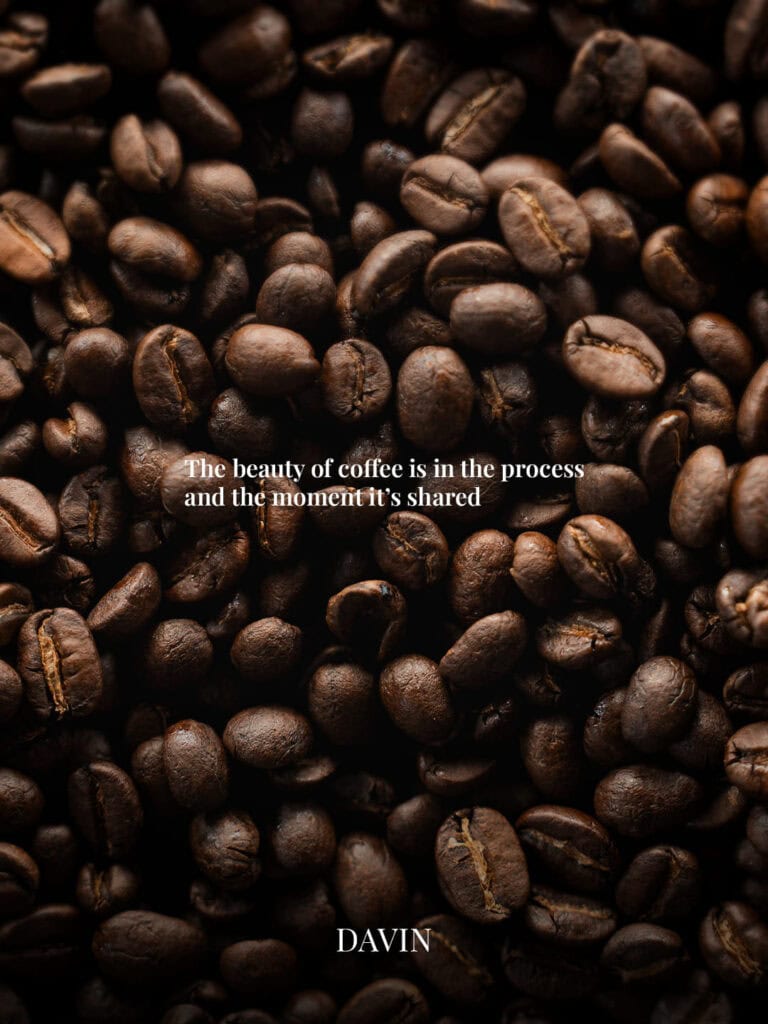
During roasting, beans crack twice. Light roasts usually stop around first crack, while dark roast coffee beans go on to second crack or beyond. At this stage the bean’s structure opens up, oils rise to the surface, sugars turn into bittersweet, burnt-caramel flavours, and flavours from the roast take over from flavours of the origin.
On a bag you may see names such as Full City Plus, Vienna, French Roast or Italian Roast. All sit in the dark roast family, but at different depths. For a side-by-side table of light, medium and dark roast, see Medium Roast Coffee: Not Too Sour, Not Too Bitter.
5 Dark Roast Coffee Myths
Myth 1: Dark roast has more caffeine
The truth: It does not. Caffeine is fairly heat-stable, so little is lost during roasting. By weight, dark roast coffee caffeine is close to that of light roast. But dark roast beans expand and become lighter, so a scoop of dark roast contains less coffee, and slightly less caffeine.
Myth 2: The darker the roast, the stronger the coffee
The truth: How strong a cup is depends on the amount of coffee per water, not the roast level. An americano made with more light roast coffee can be stronger and higher in caffeine than one made with less dark roast. If you want more of a kick, use more coffee rather than switching to dark roast.
Myth 3: Bitter means bad coffee
The truth: Bitterness is natural in dark roast, but there are different kinds.
- Good bitterness: Bittersweet like dark chocolate or burnt caramel, followed by sweetness and a smooth finish
- Bad bitterness: Ashy, harsh, drying, or with a rancid, stale-oil smell, usually caused by over-roasting, old beans or water that is too hot
Myth 4: Dark roast cannot be specialty coffee
The truth: Specialty coffee is defined by bean quality, from origin to sorting and processing, not by roast level. High-quality beans roasted dark with care can still offer depth and complexity, unlike cheap dark roasts that use intensity to hide defects.
Myth 5: Oily beans mean fresh beans
The truth: Surface oil is normal for dark roast and says nothing about freshness. Oil exposed to air for a long time goes rancid, so beans that are sticky with oil or smell stale have usually been stored too long. Check the roast date on the bag instead.
Best Drinks for Dark Roast Coffee
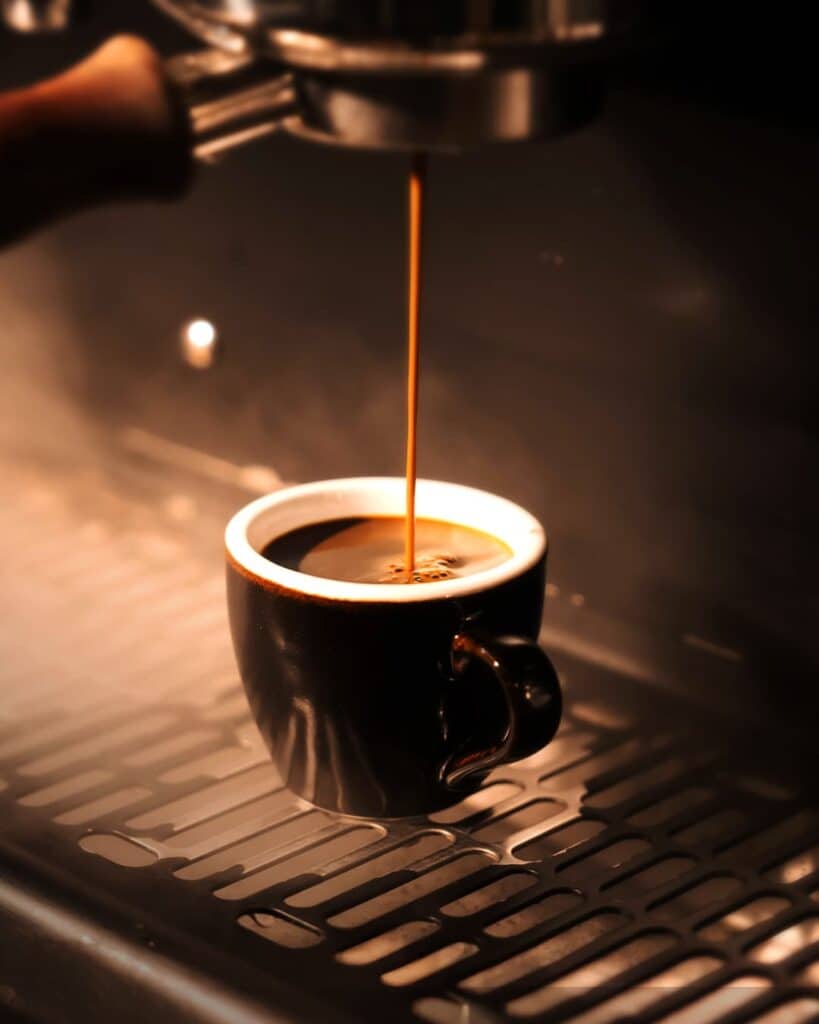
Dark roast coffee taste is bold with a heavy body, so it shines in drinks where milk, chocolate or sweetness add balance.
- Latte and cappuccino Coffee flavour stays clear through the milk. For a coffee-forward cup, ask for an extra shot or less milk
- Mocha Dark chocolate notes pair naturally with cocoa, and you can cut the sugar since the coffee brings caramel sweetness
- Americano Still bold and full-bodied when diluted. Add hot water first, then the shot, for a smoother cup
- Dirty The intense shot contrasts sharply with cold milk, so drink it right away to taste both layers
- Iced coffee with condensed milk Bold bitterness stands up to rich, sweet condensed milk. Large ice cubes keep it from watering down
How to Brew Dark Roast Coffee Without the Burnt Taste
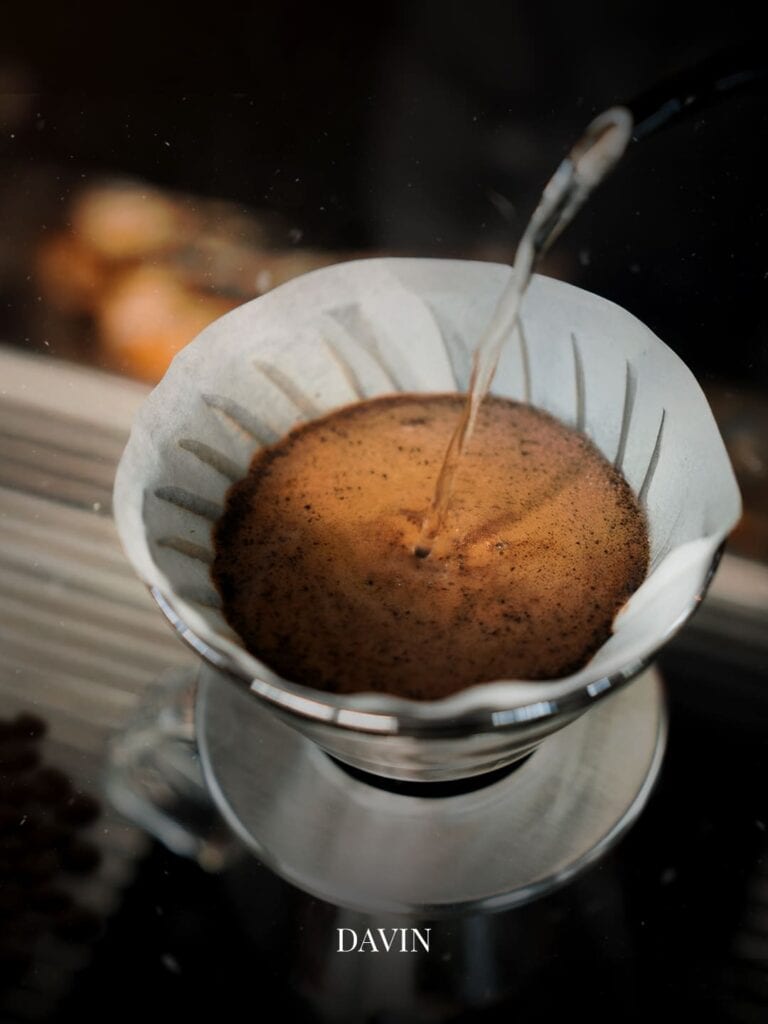
Dark roast beans have an open structure and release flavour far more easily than light roasts, so how to brew dark roast coffee well comes down to going gentler.
Drip / French press
- 15 g of coffee to 240 g of water (about 1:16)
- Grind coarser than for light roast Medium-coarse for drip, coarse like breadcrumbs for French press
- Use water at 85-90°C Boiling water pulls out burnt bitterness too quickly
- Watch the time About 2:30 for drip, and about 4 minutes of steeping for French press before plunging
Espresso (home machine)
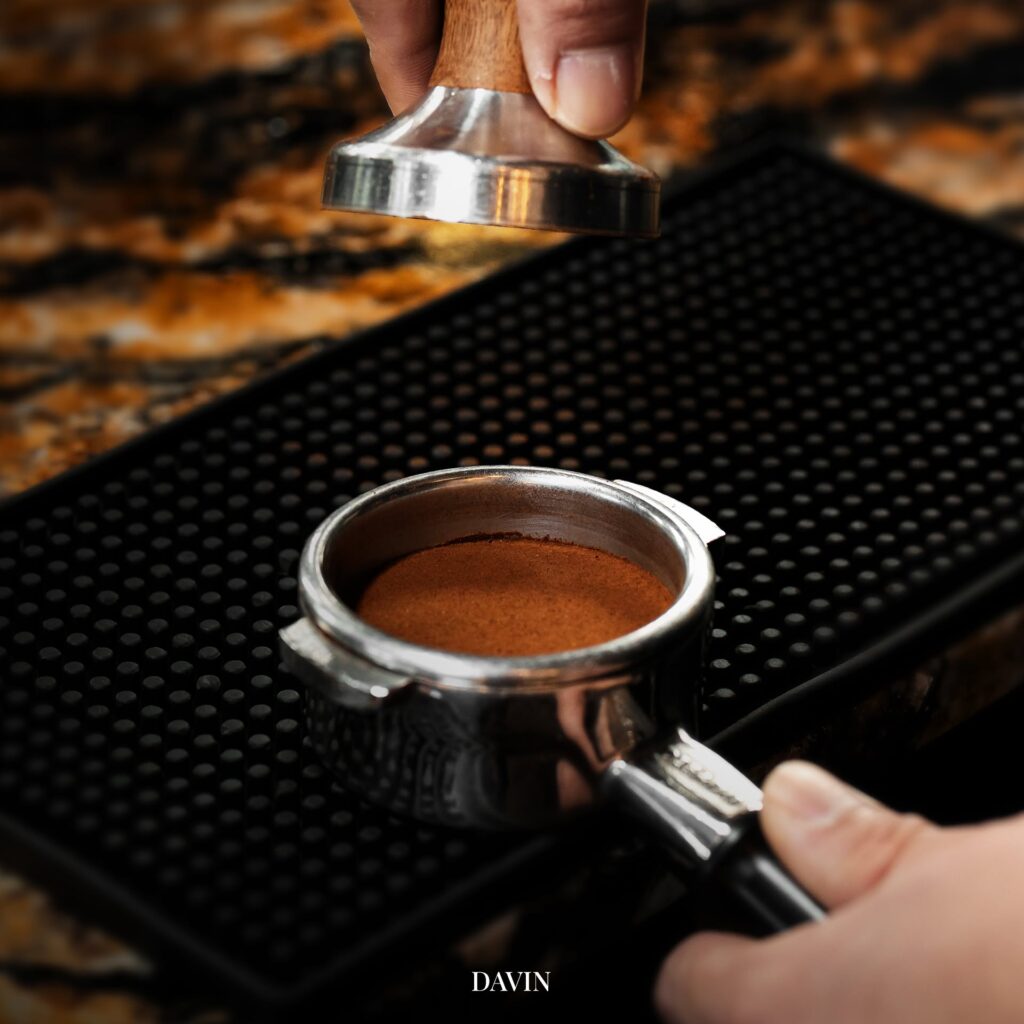
- 18 g of ground coffee to about 30-36 g of liquid in around 22-28 seconds. A slightly shorter shot helps reduce bitterness in the finish
How to adjust
- Burnt, harsh, drying: grind coarser, lower the water temperature or shorten extraction
- Thin, weak, flavour missing: grind slightly finer or use more coffee
How to Choose Dark Roast Coffee Beans
- Check the roast date Dark roast loses aroma faster because its oils sit on the surface. Choose recently roasted beans and buy only what you will use in 2-4 weeks
- Smell them if you can They should smell of chocolate or caramel. Avoid anything that smells like old oil
- Read the tasting notes Notes like dark chocolate, cocoa or caramel suggest a roaster aiming for bittersweet, not burnt
- Choose an espresso blend for milk drinks Blends are usually designed for consistency and to pair with milk
- Store them properly Airtight, away from light and heat, and not in a fridge you keep opening
Choosing the Right Roast Level for You
Not sure dark roast is for you? Start from what you enjoy:
- Bright, fruity acidity, drunk black Read What Is Light Roast Coffee? Is It Sour?
- Rounded sweetness, not too sour or bitter Read Medium Roast Coffee: Not Too Sour, Not Too Bitter
- Bold, bittersweet, heavy body, or mostly milk drinks Dark roast is your answer
To understand what specialty coffee means and how each cup is brewed, read DAVIN CAFE: A Specialty Coffee Shop in Bangkok.
Try Bold Coffee the Davin Cafe Way
A good example that bold coffee does not have to be only bitter is ADAM, one of Davin Cafe’s signature drinks. It combines the cafe’s special coffee blend with mango, lemon and honey, finished with a light layer of smoke. The result keeps a clear coffee character while tasting fresher and more layered than most people expect. If you prefer your bold coffee straightforward, try a Dirty, where an intense shot contrasts with cold milk, or tell the barista you like dark-chocolate bittersweetness and ask what they recommend that day.
Bold coffee also makes a great finish to a meal. If you are coming for lunch, see Italian Dishes for Lunch at DAVIN CAFE.
Conclusion, Dark Roast Coffee Is Not Stronger, Just Bolder
Dark roast coffee does not contain more caffeine, and bitterness does not mean poor quality. Its appeal lies in dark chocolate, burnt caramel and a heavy body that pairs better with milk and chocolate than any other roast. Choose beans by roast date, brew with water that is not too hot, and you will get a dark roast that is pleasantly bittersweet rather than burnt.
Want to try bold coffee that is more than just bitter? Visit Davin Cafe beside the Ram Inthra Expressway, open daily from 8:30 AM to midnight. Get directions on Google Maps or ask about drinks and beans through Davin Cafe’s LINE Official.
Frequently Asked Questions About Dark Roast Coffee
For intense flavour, order a double espresso, a ristretto or an extra shot in your milk drink. For heavy, dark-chocolate bitterness, ask for a dark roast. For more caffeine without bitterness, try cold brew or a large drip.
It is coffee roasted up to or past second crack. The beans are dark brown to almost black and often oily, with flavours of dark chocolate, cocoa, burnt caramel and smoke, a heavy body and low acidity.
No. By weight the caffeine is about the same, and measured by the scoop dark roast has slightly less, because the beans expand and become lighter during roasting.
By flavour, ristretto and espresso are the most concentrated because they use a lot of coffee with little water. By caffeine per cup, a large drip coffee or cold brew often contains more, because they use more ground coffee overall.
Latte, cappuccino, mocha, americano, Dirty and iced coffee with condensed milk, because its bold flavour and heavy body are not lost under milk or sweetness.
Use water at 85-90°C, grind coarser than for light roast, and avoid over-extracting. If it still tastes burnt, grind coarser or lower the water temperature further.
Yes. Specialty coffee is defined by bean quality, not roast level. High-quality beans roasted dark with care can still be complex, unlike cheap dark roasts that use intensity to hide defects.
Latest news
Exclusive Private Party Ideas You Can Make Your Own | DAVIN CAFE
Discover Private Party and Corporate Event ideas at DAVIN...
Halloween 2026: When It Is and How to Celebrate the Wickedpump Night at Davin Cafe, Bangkok
Halloween 2026 is Saturday, 31 October. Celebrate the Wickedpump...
International Coffee Day 2026: What It Is, and How to Explore Coffee Through Aroma, Taste and Story at DAVIN CAFE
Photo Cafe in Bangkok with Classic Architecture | DAVIN CAFE
Discover DAVIN CAFE, a photo cafe in Bangkok with...
Premium Restaurant in Liab Duan with a Great Atmosphere for a Special After-Work Meal
Discover DAVIN CAFE, a premium restaurant in Liab Duan...
Restaurant in Pradit Manutham with European Vibes | DAVIN CAFE
Discover DAVIN CAFE in Pradit Manutham, featuring European-inspired design,...
DAVIN CAFE: A Specialty Coffee Shop in Bangkok for the Art of Coffee Brewing
Experience Specialty Coffee, Drip Coffee, and expertly crafted drinks...
European-Style Cafe in Bangkok for Travelers and Those Seeking a Premium Atmosphere
Looking for a European-style cafe in Bangkok? DAVIN CAFE...